Navigation

Teresa Jordan Teresa Jordan Writer & Artist
Home

Main Menu

  • Home
  • Writing
    • Books, Film & Broadcast
    • Read Teresa Online
  • Art
    • The Year of Birds
    • Recent Work
    • Previous Exhibitions
    • In the Garden of Darkness and Light
    • Sketchbook Expeditions
  • Sketchbook
  • About
    • Teresa Jordan
    • Reviews
    • Selected Press
  • Contact
Return to Content

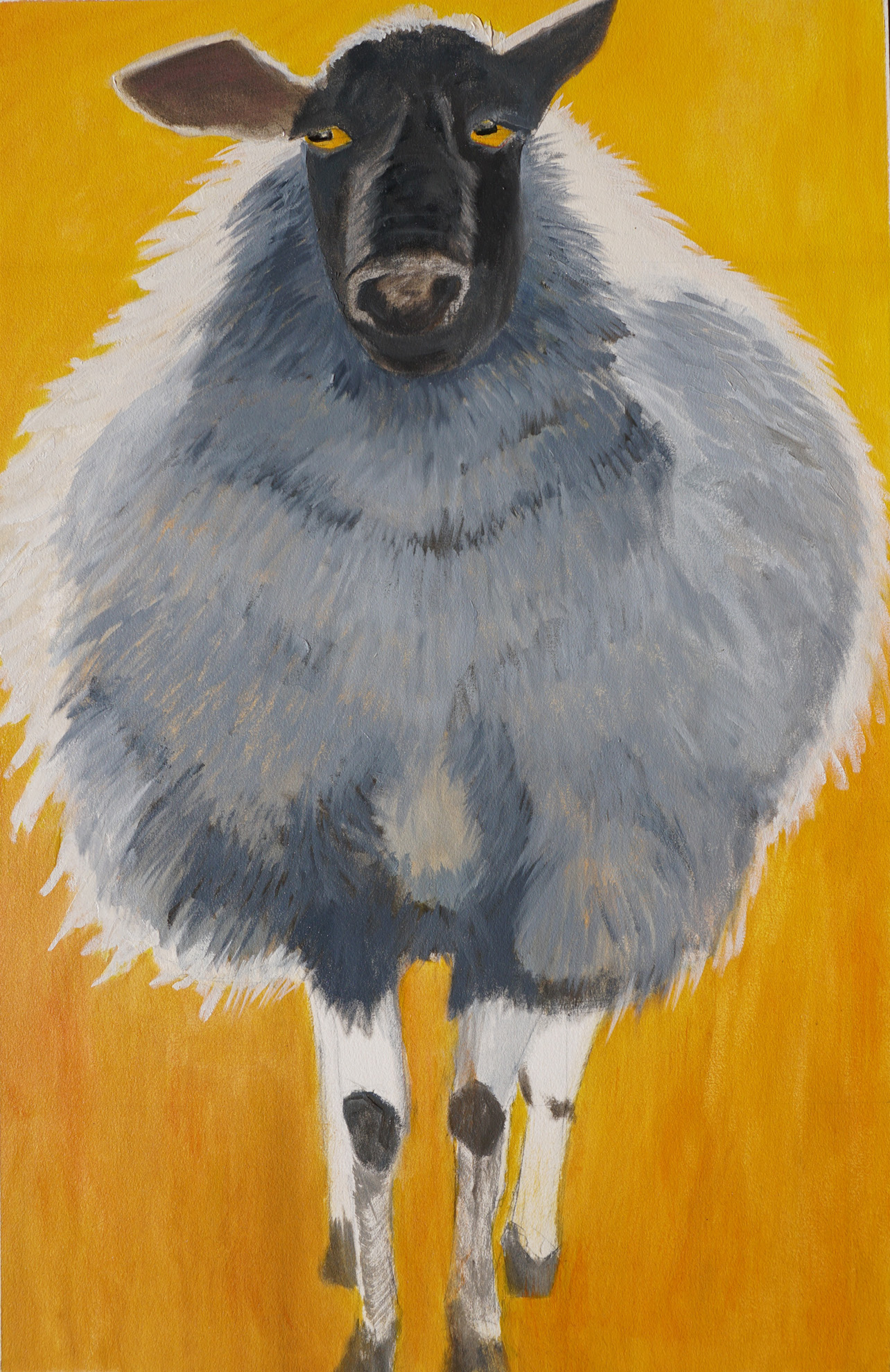
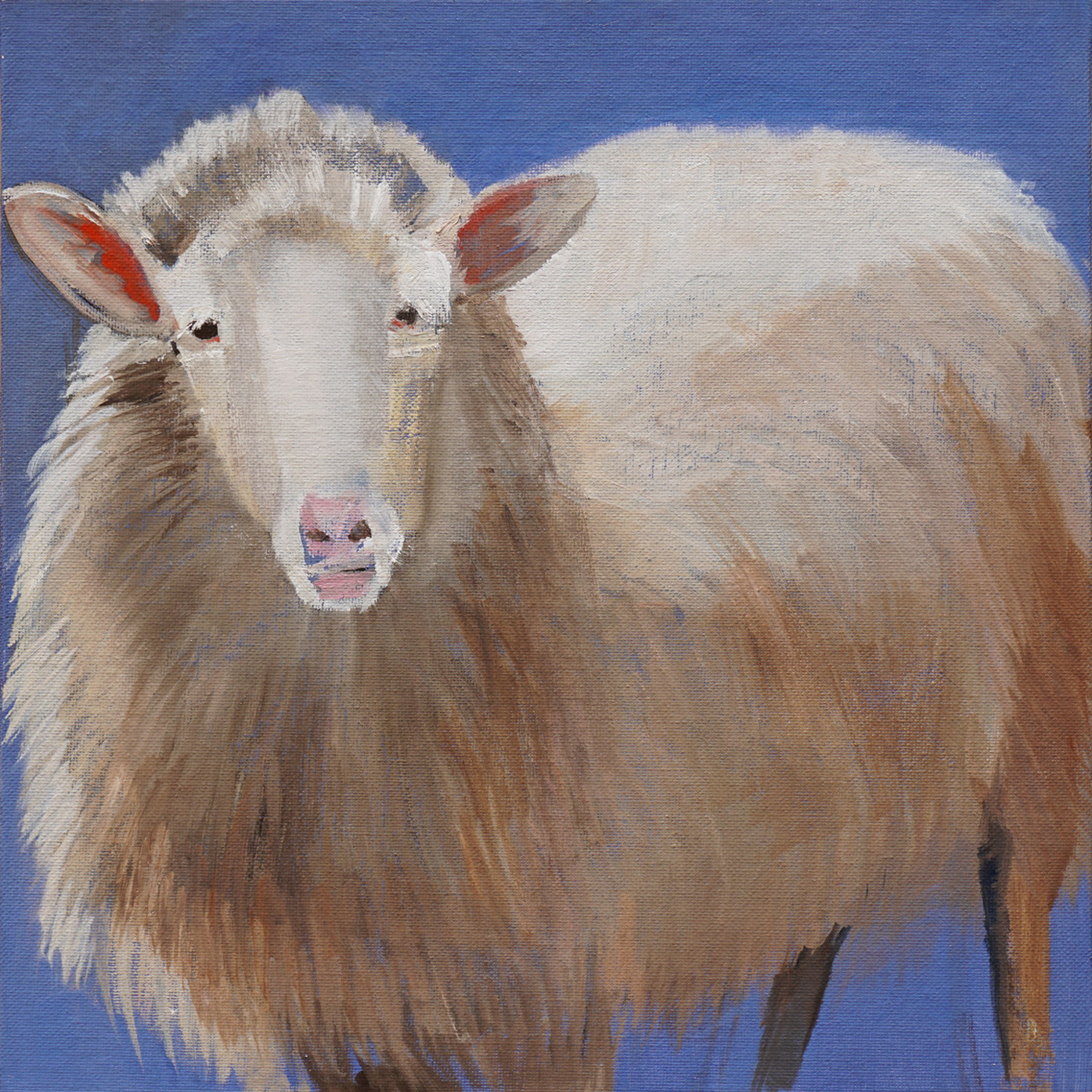
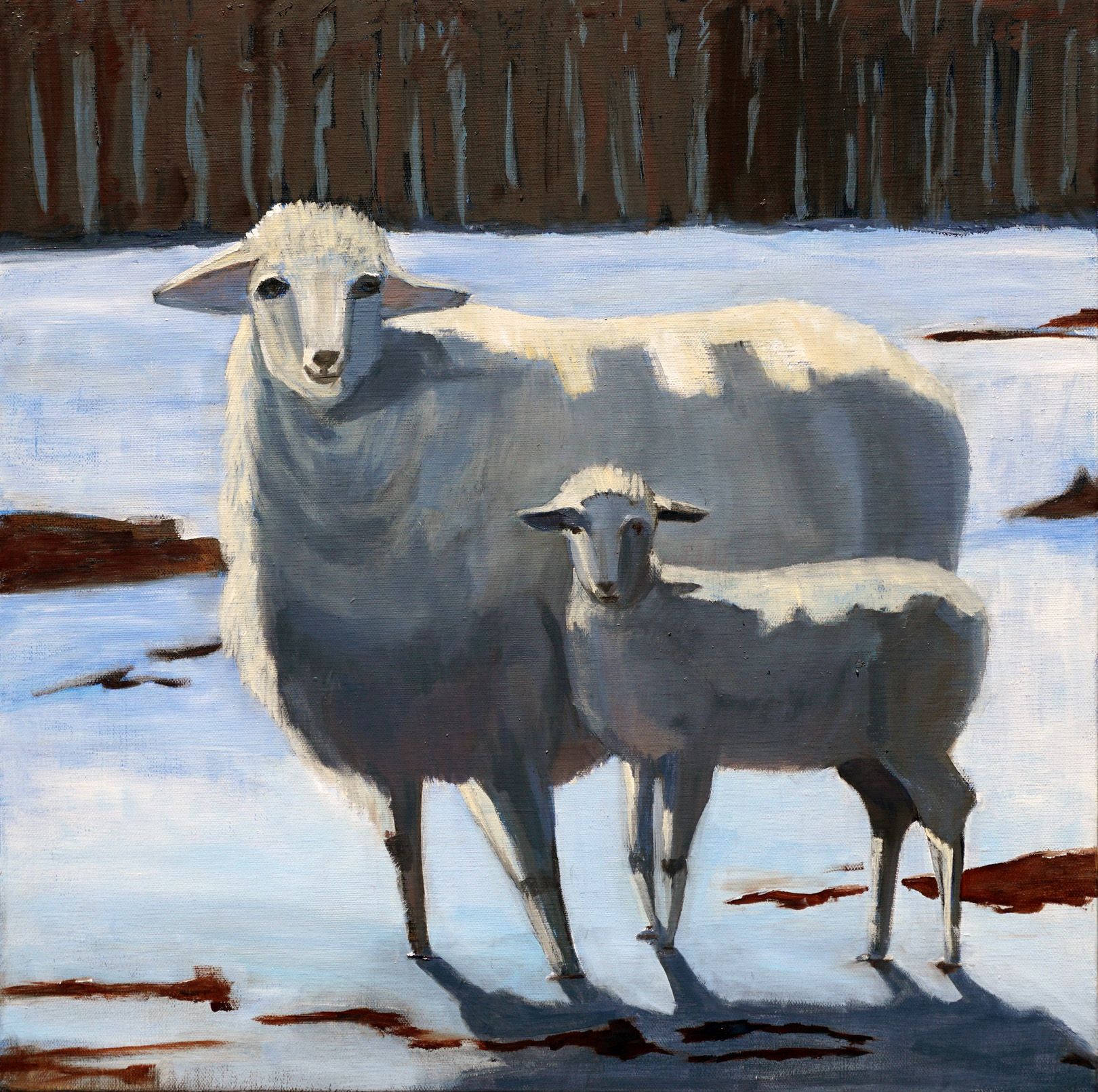
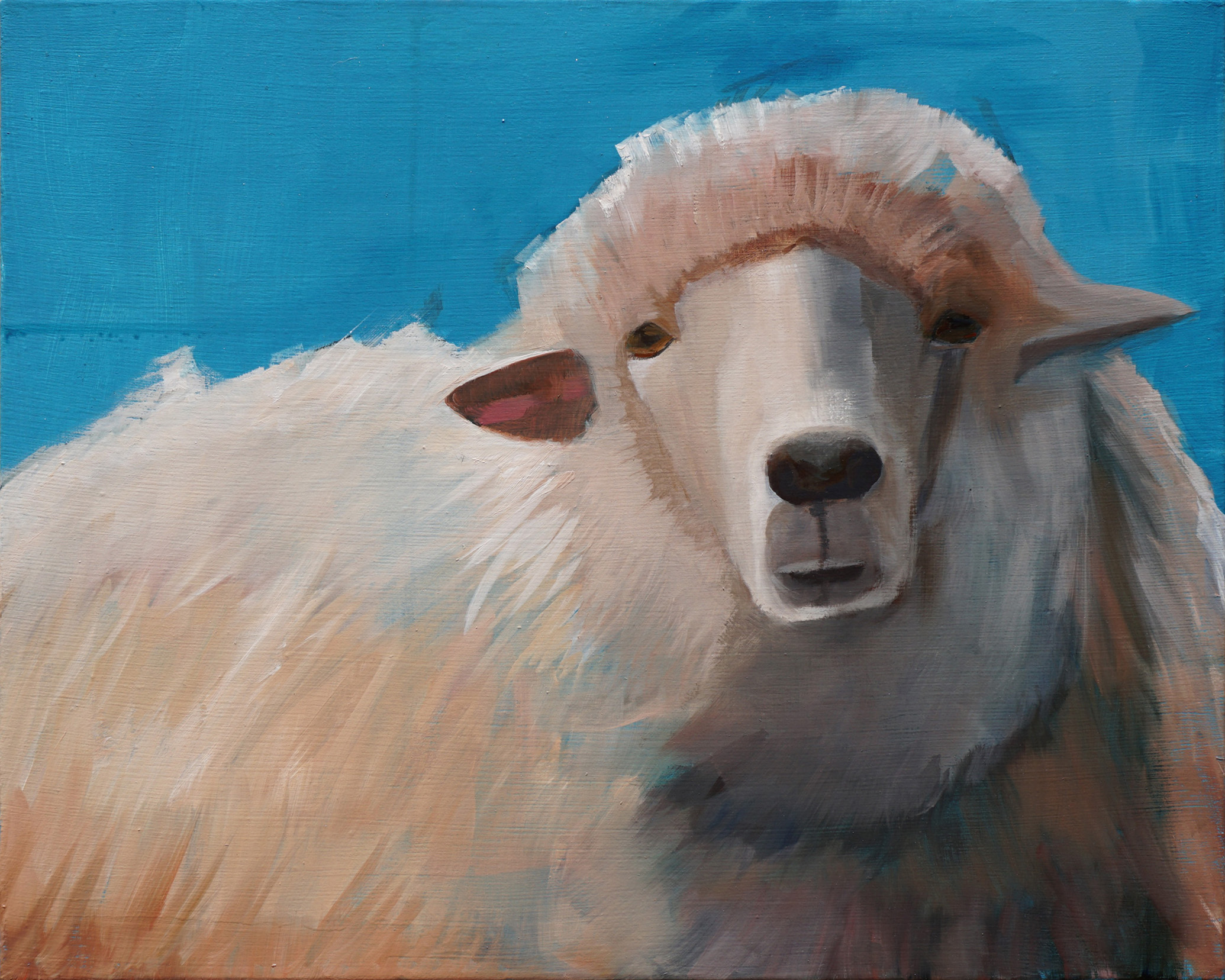
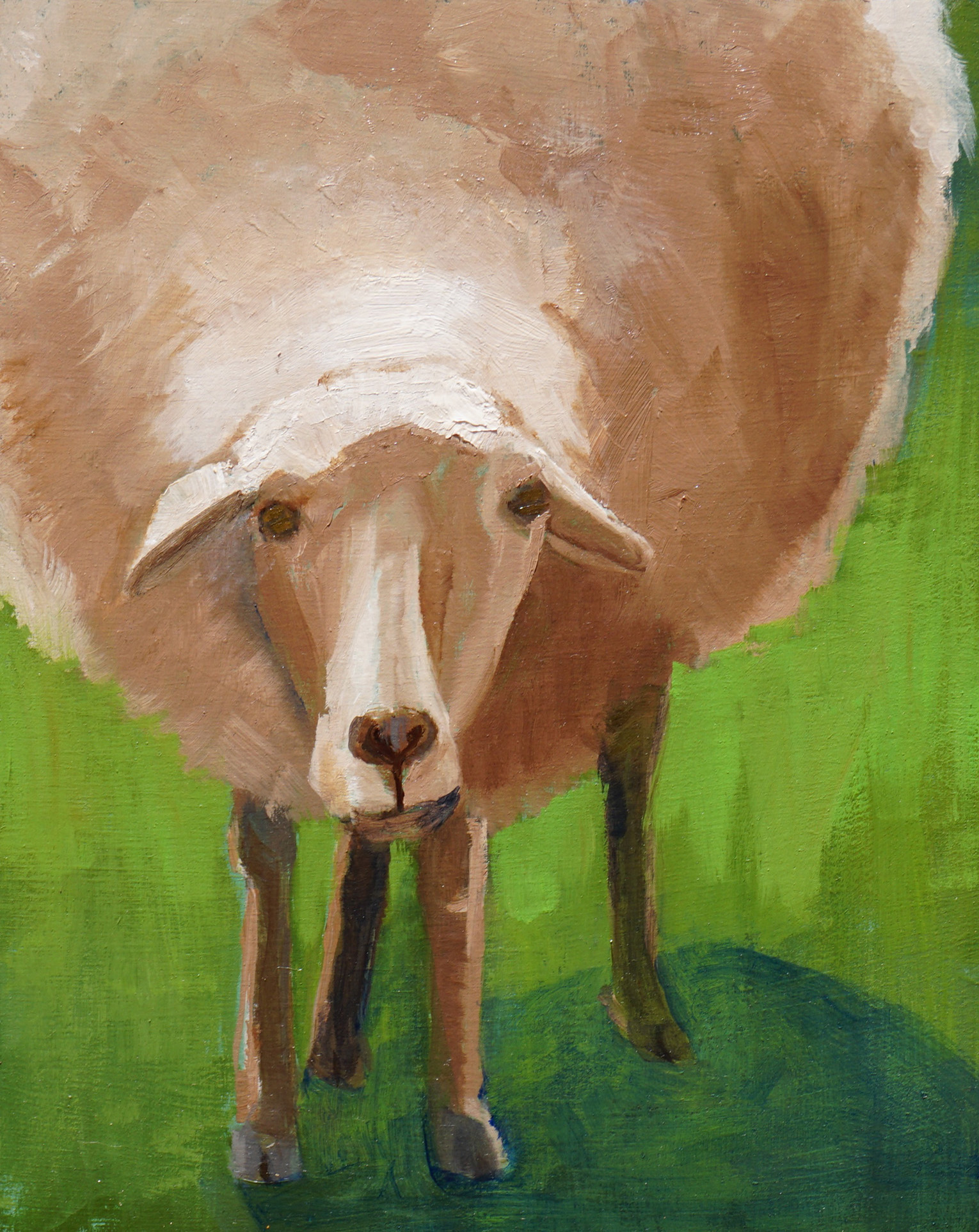
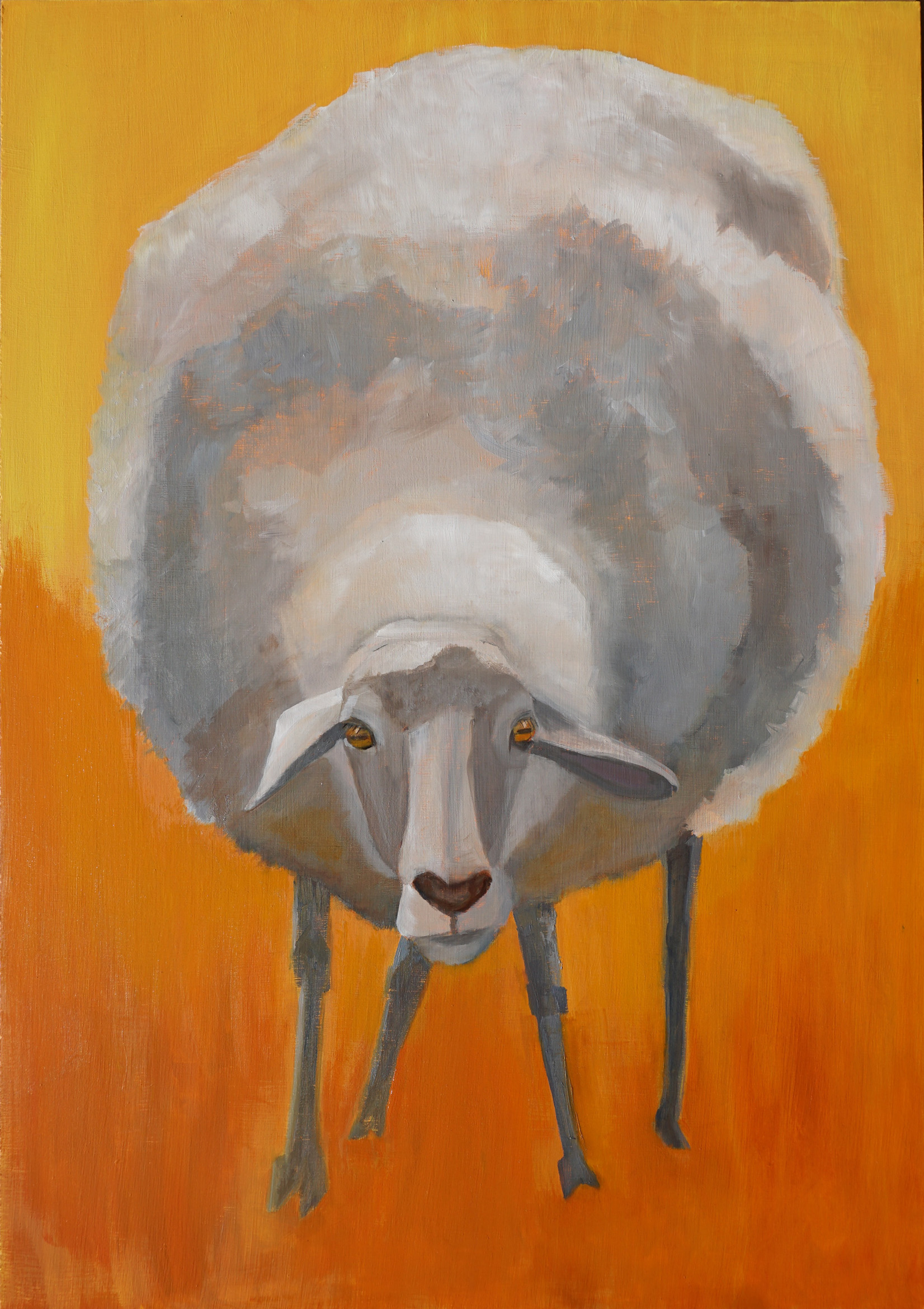
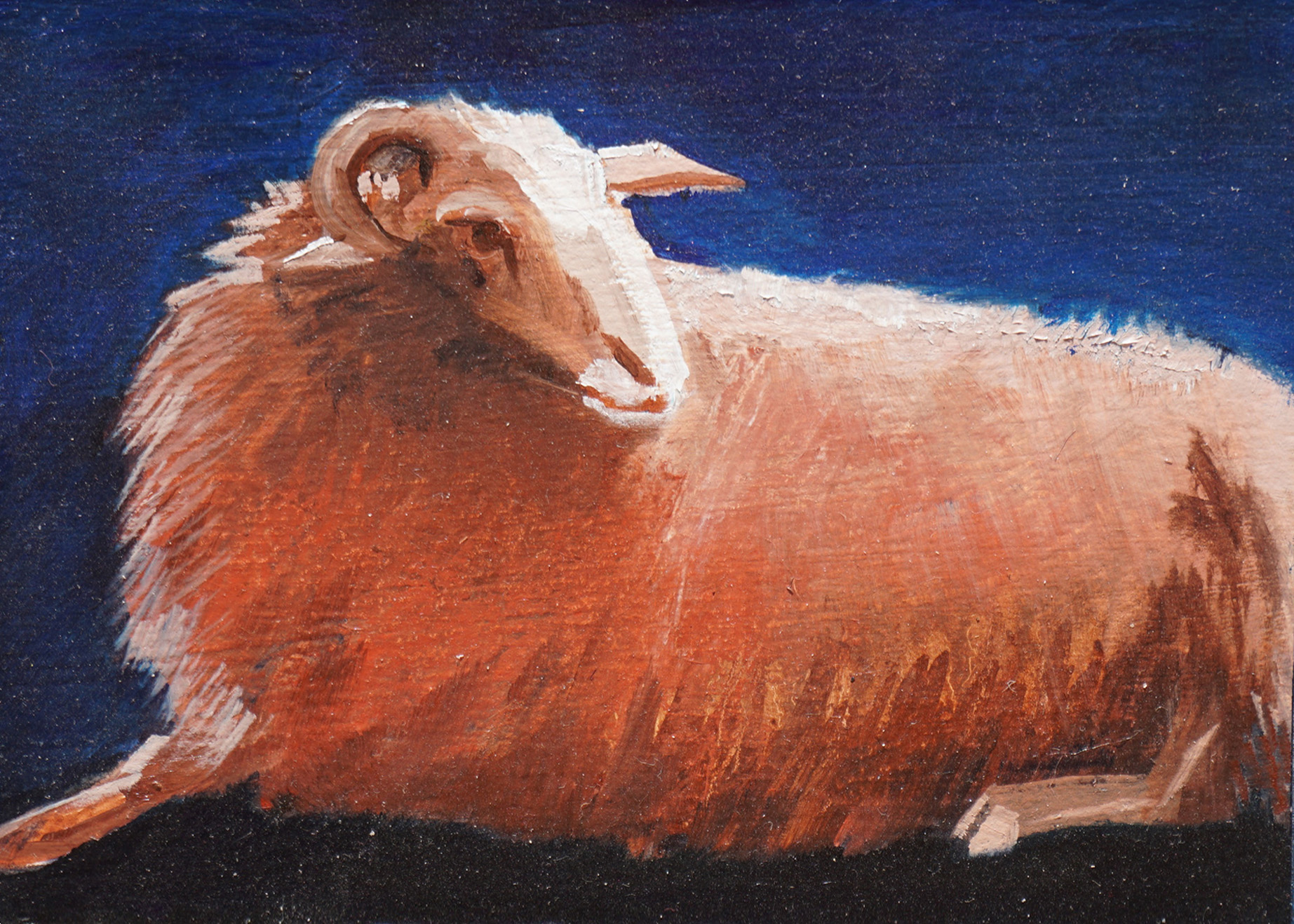
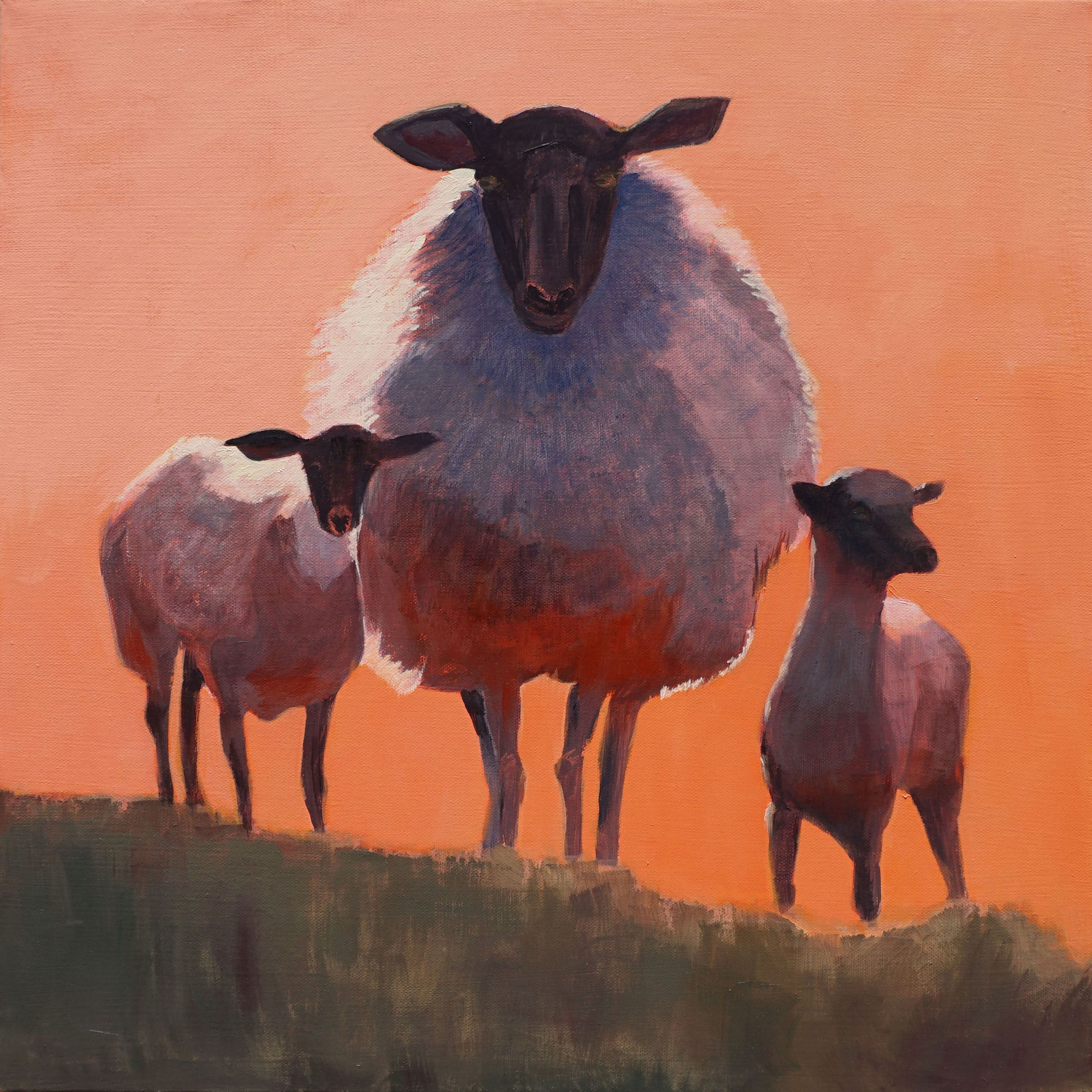
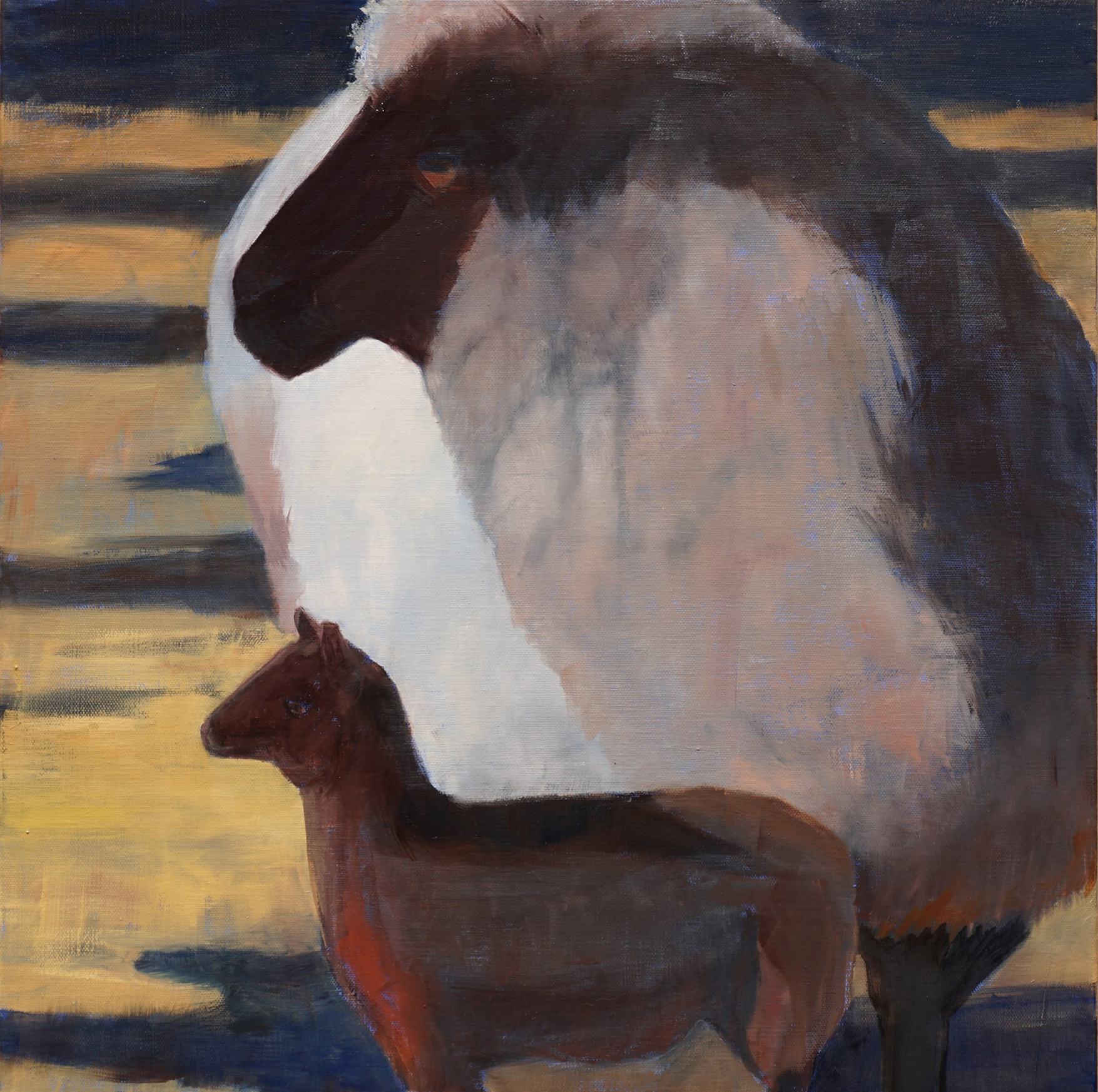
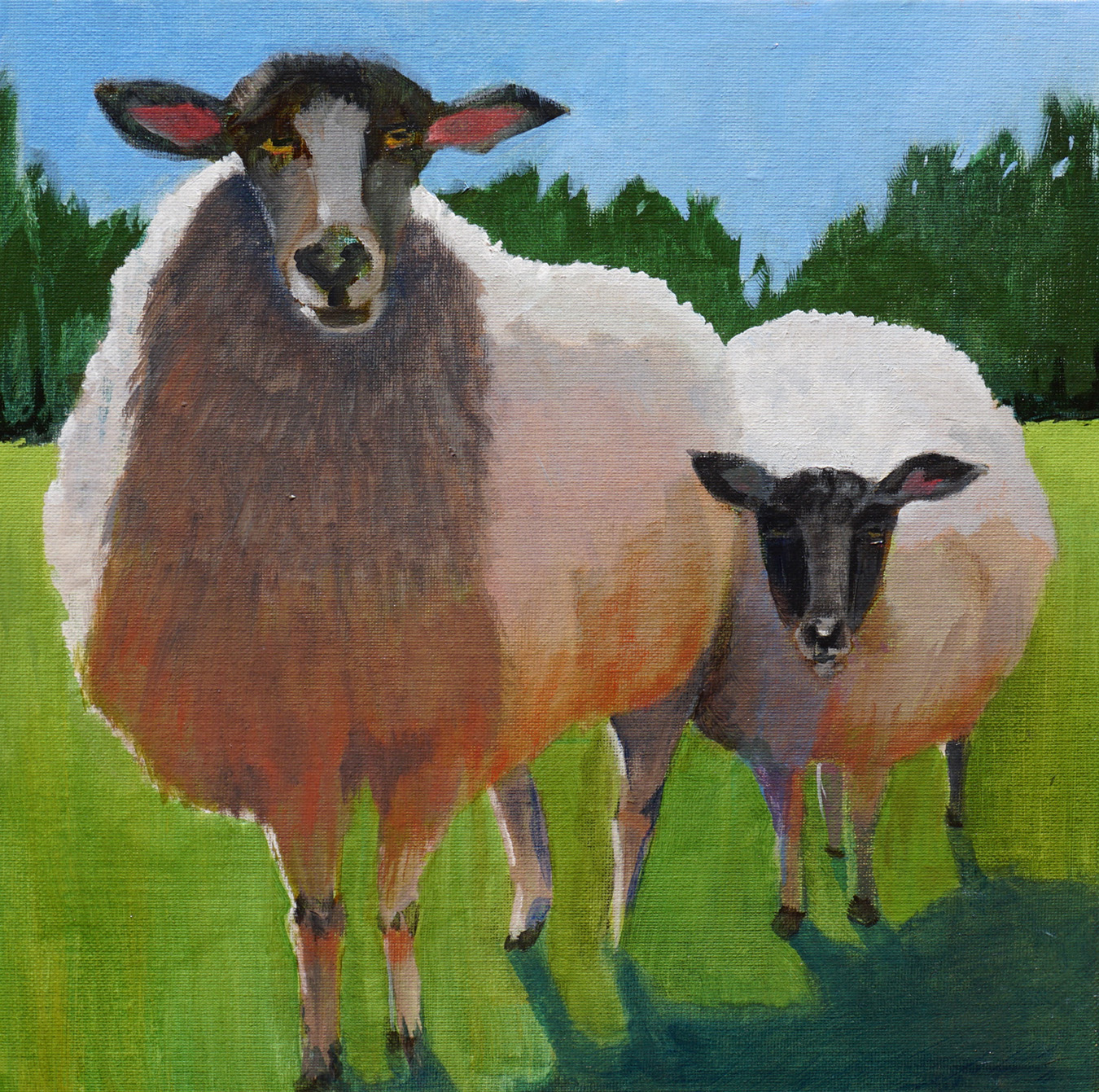
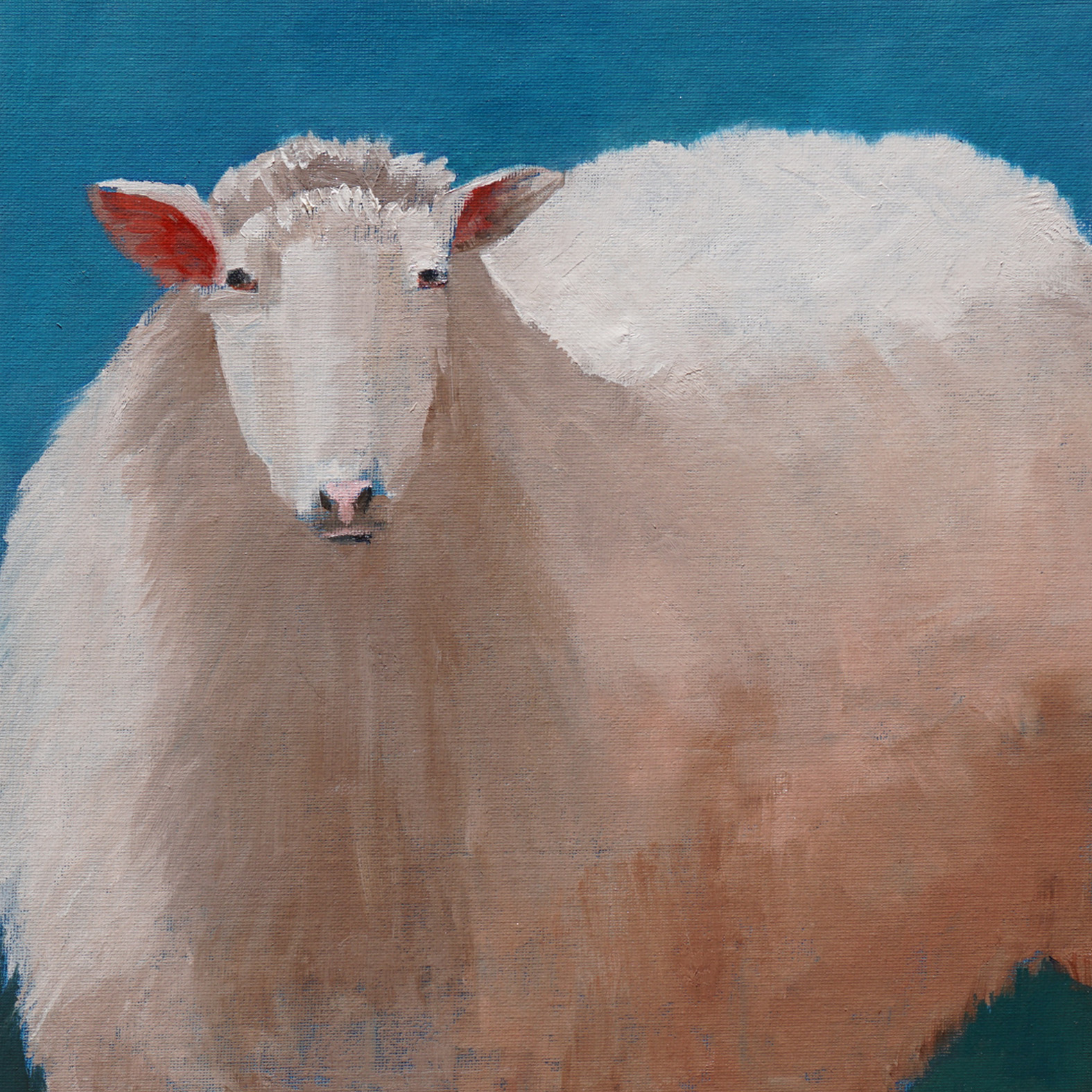
Phillips Gallery, June 17 – July 8, 2016

For more information about specific artwork, contact Teresa Jordan or  Phillips Gallery, 444 East 200 South,  Salt Lake City, Utah   801•364•8284‬

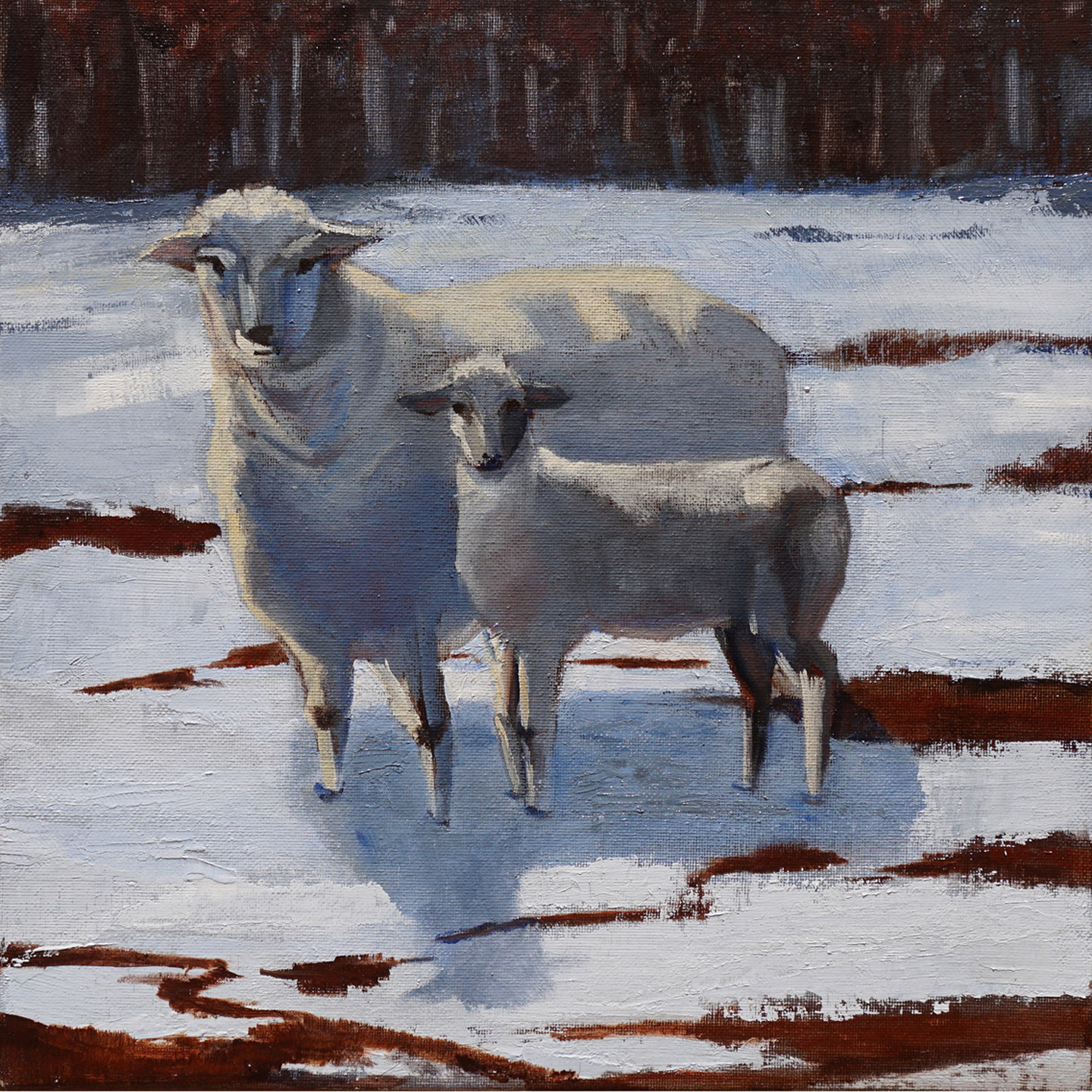
No, You are Not on the Guest List + 30x19.375 + Oil + SOLD
Facebooktwitteryoutubeinstagram

Please Share!

Facebooktwitterredditpinterestlinkedintumblrmail
White space for widgets
Circle Milliron Brand

Teresa inherited the Circle Mill Iron brand from her Great Aunt Marie Jordan Bell. As such, it is a symbol of over 100 years of women’s work in Teresa’s Wyoming ranch family.

All Marie ever wanted in life was to work outside with horses and cattle and dogs. As a girl, she worked alongside her father and brother; when she married, she and her husband John Bell bought a neighboring ranch. Teresa wrote about Marie in both Cowgirls and Riding the White Horse Home. One of her stories–about women who rode through the country when she was a girl, breaking horses for pay–intrigued the novelist Molly Gloss, and served as the inspiration for her wonderful book, The Hearts of Horses.


White space for widgets

The signature stamp Teresa uses on her prints is a Japanese hanko, or chop. For Westerners, a hanko is often designed with kanji – idiographic symbols – that represent the sounds of the syllables in the person’s last name. Because many words sound the same, the particular characters chosen have significance. When Teresa and her husband, Hal Cannon, visited Japan many years ago, they had the gift of staying with Kimono artists who generously selected kanji for “Jordan.” The top kanji translates as “clarity” or “purification,” and the bottom one represents “dawn” or “morning.” These kanji turned out to be auspicious, for more than a decade later Teresa began a daily painting practice with the hope of starting each day anew. Now she uses this beautiful hanko on her prints.

Copyright 2013-2025 Teresa Jordan, All Rights Reserved

Design by Sandy Bell Design. Website by Mumblypeg Media